
Many people assume that professional whitening treatments can make every part of their smile brighter. However, laser teeth whitening works only on natural tooth enamel, not on artificial materials like porcelain or composite resin.
Here’s why:
- Laser teeth whitening uses a high-intensity laser light to activate a bleaching gel (usually hydrogen peroxide or carbamide peroxide).
- The gel penetrates the microscopic pores in natural enamel and breaks down organic stains caused by coffee, tea, smoking, and age.
- Porcelain veneers, ceramic crowns, and resin fillings, however, are non-porous and chemically stable. This means the whitening gel has nowhere to go and cannot alter the colour.
So, while laser whitening can make your natural teeth several shades lighter, your dental restorations will remain the same colour as before. This often results in a mismatch between your whitened natural teeth and your existing crowns or veneers.
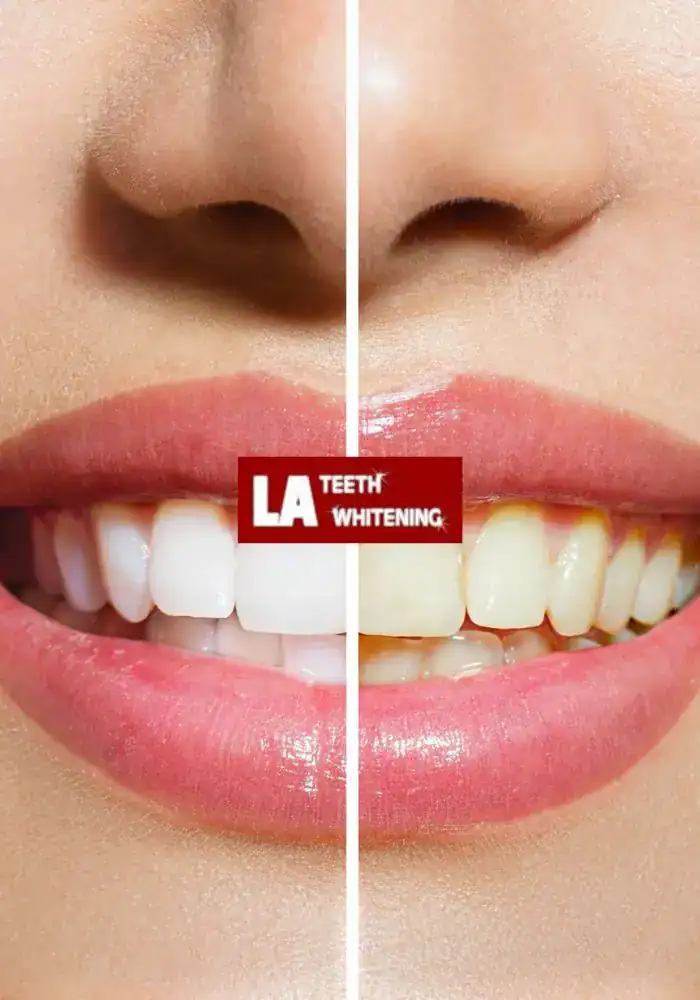
Why Don’t Porcelain and Resin Whiten the Same Way as Enamel Dunstable?
To understand this, we need to look at the structure of different dental materials:
- Natural enamel is made of hydroxyapatite crystals with microscopic pores. These pores allow stains to enter but also allow bleaching agents to diffuse in and dissolve those pigments.
- Porcelain (used in veneers and crowns) is a dense, glass-like ceramic that is fired at extremely high temperatures. It’s sealed and non-porous, meaning stains can only sit on the surface, not penetrate inside.
- Composite resin (used in fillings and bonding) is a mix of glass and plastic particles. While it can absorb surface stains, the colour is built into the material itself and cannot be chemically altered once cured.
In short, bleaching agents can’t penetrate or chemically react with porcelain or resin, so no whitening occurs. Even the strongest laser-enhanced gels won’t affect the artificial materials.
What Happens If You Try to Whiten Restorations Anyway Dunstable?
If you undergo laser whitening Dunstable while having veneers, crowns, or composite fillings, you might notice:
- Your natural teeth become brighter, while restorations stay the same — creating uneven tones.
- Your crowns or veneers may look dull, yellow, or darker compared to your newly whitened teeth.
- In some cases, minor dehydration effects from the whitening gel might temporarily change the appearance of resin-based restorations, but the effect is short-lived.
That’s why dentists always recommend discussing your existing restorations before starting any whitening treatment. See Our Teeth Whitening Price
Can Laser Whitening Damage Veneers, Crowns, or Bonding?
| Material Type | Composition & Sensitivity | Effect of Laser Whitening | Potential Risks | Professional Recommendation |
|---|---|---|---|---|
| Porcelain Veneers | Made of dense, non-porous ceramic material that mimics natural enamel. | Laser whitening does not alter the colour of porcelain because it does not contain pores for the bleaching gel to penetrate. | – No structural damage, but whitening gel may cause temporary surface dryness. – Margins (edges) may become slightly irritated if gel leaks. | Safe to undergo laser whitening, but veneers won’t whiten. Protect edges with dental barriers. |
| Porcelain Crowns | Similar composition to veneers but thicker and used for full tooth coverage. | Whitening agents do not penetrate porcelain crowns, so no colour change occurs. | – Possible gum irritation around the crown if gel is misapplied. – Slight risk of surface dullness if crowns are old or worn. | Laser whitening is safe under dentist supervision, but expect no colour improvement on crowns. |
| Composite Bonding | Made from resin and glass particles; more porous than porcelain but less stable chemically. | May experience temporary lightening due to dehydration, but colour returns to normal after rehydration. | – Whitening gel can weaken old composite resin bonds. – Edges may become rough or chalky if exposed too long. | Dentist should protect bonded areas and may recommend polishing or future replacement for even tone. |
| Composite Fillings | Tooth-coloured resin used for cavity repair or minor cosmetic reshaping. | Whitening agents do not lighten resin colour. Only natural enamel around it whitens. | – Can create visible contrast between filling and surrounding enamel. – Old fillings may appear darker after whitening. | Consider replacing old fillings after whitening for perfect shade match. |
| Ceramic Inlays/Onlays | Custom restorations made from ceramic materials bonded to tooth surface. | Chemically inert — no reaction with peroxide-based gels. | – No direct damage but whitening gel can irritate nearby gums. – May affect bonding margins if gel penetrates crevices. | Safe to whiten surrounding teeth, but ceramic colour remains unchanged. |
| Metal-Ceramic Crowns | Combination of metal base and porcelain exterior for strength and aesthetics. | Whitening has no effect on metal or porcelain layers. | – If margins are exposed metal, staining contrast may appear after whitening. | No whitening effect; discuss replacement if colour mismatch is visible. |
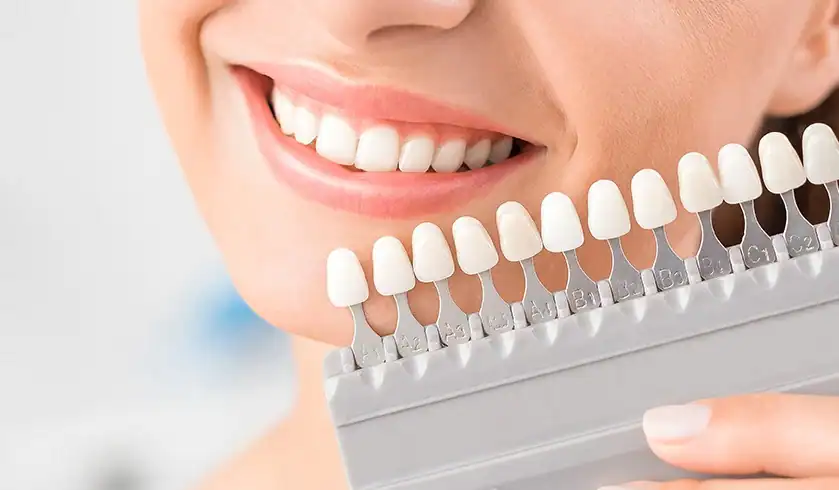
Can You Still Achieve a Whiter Smile if You Have Veneers or Crowns?
Yes — but it requires a tailored whitening plan that balances natural and restored teeth. Dentists use several strategies to achieve a uniform smile:
- Whiten natural teeth first.
This allows you to reach your desired brightness before creating or updating restorations. - Polish or clean existing restorations.
A professional polish can remove surface stains and restore gloss without changing the underlying colour. - Replace restorations that no longer match.
Once your natural teeth are whitened, old crowns or veneers can be remade in the new lighter shade.
This sequence ensures both your enamel and restorations look consistent and natural.
Why Should You Whiten Before Getting Veneers or Crowns?
This is one of the most crucial planning steps in cosmetic dentistry. Whitening before you get veneers or crowns ensures a seamless, natural look. Here’s why:
- Permanent colour setting: The shade of a veneer or crown is chosen based on your current tooth colour. Once fabricated, it cannot be lightened later.
- Better shade match: If you whiten first, the dental lab will match the new restoration precisely to your brighter teeth.
- Long-term satisfaction: Whitening before treatment means you’ll love your smile for years without needing replacements later due to mismatched tones.
Think of it as setting your smile’s baseline — get your natural teeth to your perfect whiteness first, then match everything else to it. See Our Before And After Laser Teeth Whitening Results Dunstable
What If Your Veneers or Crowns Look Darker After Whitening?
This is one of the most common aesthetic concerns after whitening treatments. Here’s what you can do:
- Assess the contrast: The difference may look more noticeable initially but often softens as your eyes adjust.
- Professional polishing: Your dentist can polish the surface of your veneers or crowns to remove external stains and enhance their lustre.
- Replacement: If they still appear mismatched, replacing them is the most effective solution.
- Partial update: You may only need to replace the most visible restorations — typically the ones in your front smile zone.
A skilled cosmetic dentist can help you decide whether a polish or replacement will best balance your smile.
How Long Do Veneers, Crowns, and Fillings Retain Their Colour?
While these materials are stain-resistant, they’re not completely immune to discolouration:
- Porcelain veneers and crowns resist stains for 10–15 years, but can dull slightly from microscopic surface wear.
- Composite fillings and bonding may pick up surface stains from coffee, tea, wine, or smoking within a few years.
- Polishing and cleaning at your dental clinic can restore much of their original brightness.
Proper maintenance, combined with regular dental cleanings, helps ensure your restorations remain glossy and harmonised with your natural teeth.
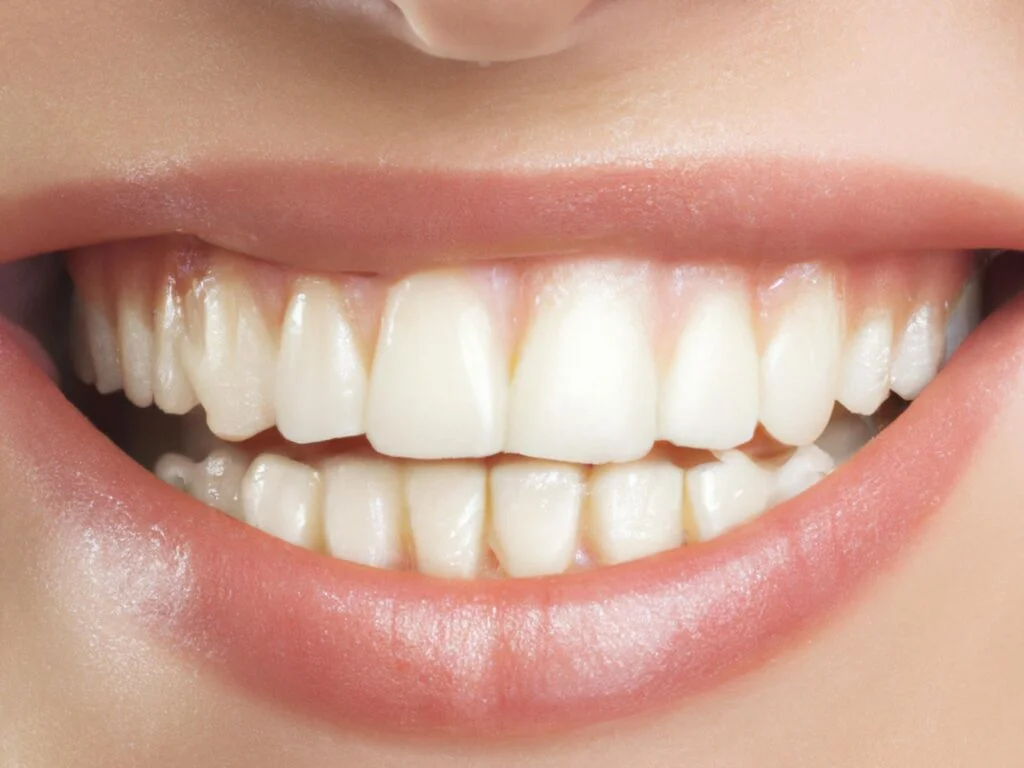
When Should You Replace or Refresh Existing Veneers or Crowns Dunstable?
Replacement isn’t always necessary, but you should consider it when:
- Your restorations are over 10 years old and showing wear or colour changes.
- They no longer match your natural tooth colour after whitening.
- You notice edge staining or dullness that polishing can’t fix.
- You’ve changed your desired tooth shade and want a brighter, more consistent appearance.
Modern dental ceramics are available in ultra-translucent shades that mimic real enamel, allowing for natural, bright, and youthful results.
How Can You Maintain a Uniform, White Smile with Restorations?
Keeping a consistent and bright smile requires ongoing maintenance:
- Avoid frequent exposure to dark beverages like coffee, tea, and red wine.
- Quit smoking, which can stain both natural enamel and the edges of restorations.
- Use non-abrasive toothpaste designed for cosmetic dental work.
- Schedule biannual dental cleanings and occasional polishing sessions.
- Ask your dentist about “touch-up” whitening treatments to maintain enamel brightness.
By combining whitening care for natural teeth and maintenance for restorations, your smile can remain radiant and balanced for years. See More about us at here
Final Thoughts: Achieving Harmony Between Natural Teeth and Restorations Dunstable
Laser teeth whitening Dunstable is an incredibly effective way to brighten natural enamel — but it cannot alter the colour of veneers, crowns, or fillings. To achieve a truly balanced and beautiful smile, timing and planning are key.
Whiten your natural teeth first, then match or replace your restorations for a flawless finish. If you already have restorations, your dentist can help through polishing, cleaning, or selective replacement.
With the right sequence and expert guidance, you can enjoy a smile that looks evenly bright, healthy, and completely natural — whether it’s enamel or porcelain.
FAQs
Q: Can laser whitening work on veneers, crowns, or fillings in Dunstable?
Laser whitening only works on natural enamel. Porcelain or composite restorations don’t change colour, so dentists in Dunstable plan treatments to avoid mismatched shades.
Q: Why don’t restorations whiten like enamel?
Enamel has pores for bleaching agents to penetrate. Porcelain is dense and non-porous, and composite resin is chemically stable once cured, so whitening gels cannot alter their colour.
Q: What happens if I whiten restorations anyway?
Natural teeth lighten, but restorations stay the same, causing uneven colour. Temporary lightening of resin may reverse, but professional guidance is needed to avoid mismatch.
Q: Can laser whitening damage veneers, crowns, or bonding?
No structural damage occurs. Porcelain is safe, while composite may temporarily lighten. Protective barriers and careful application prevent gum or surface issues.
Q: Can I still achieve a whiter smile with restorations?
Yes. Dentists usually whiten natural teeth first, then polish or replace restorations to match, ensuring a balanced smile.
Q: Why whiten before getting veneers or crowns
Whitening sets a baseline shade for restorations, allowing dentists to match new veneers or crowns to your brighter natural teeth.
For More Information, Please Contact Us Today